On first impressions, quiet disrespect, and the people we almost allow to ruin beautiful experiences.
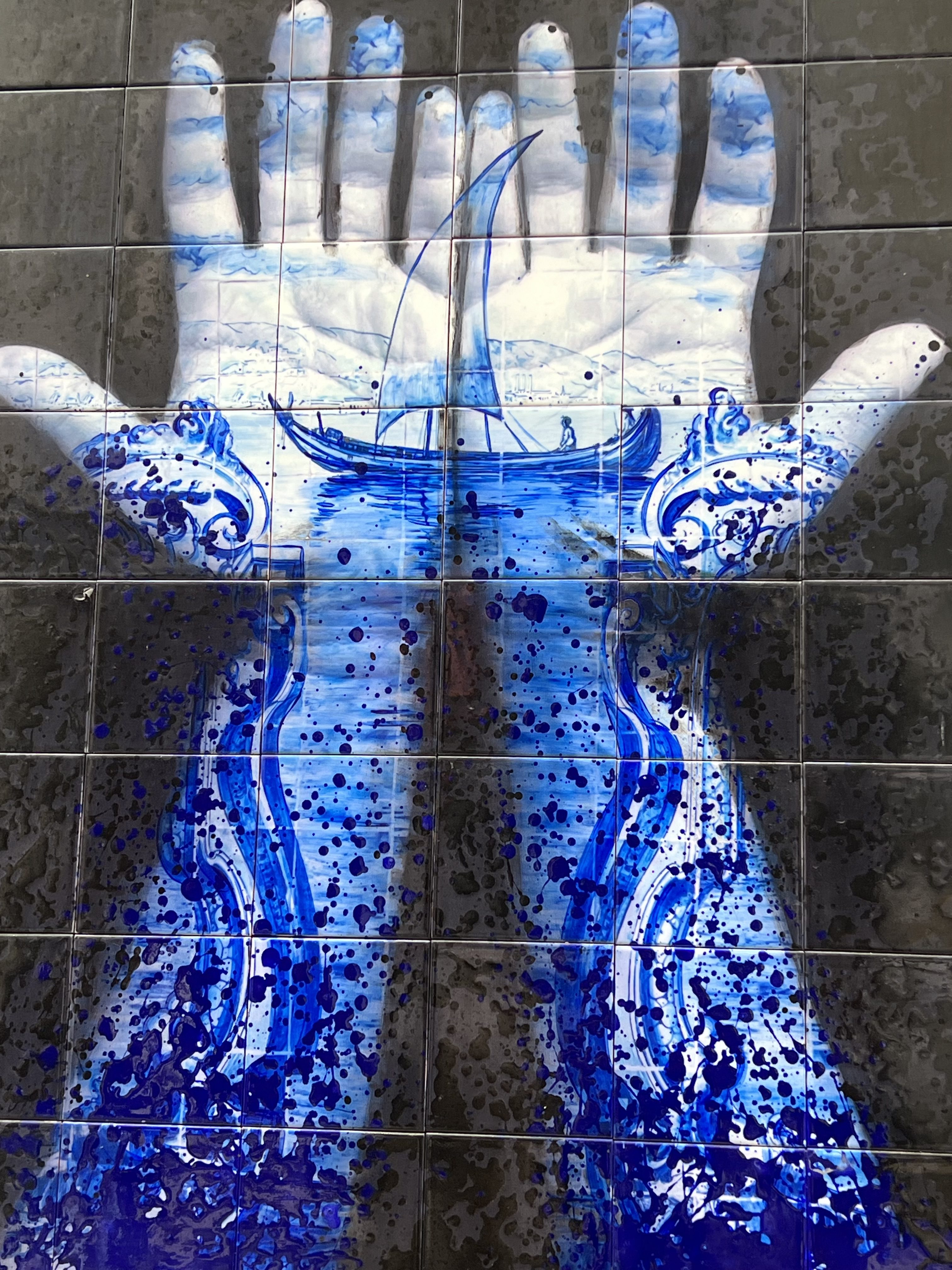
I have been thinking about a handshake.
Or rather, one that never happened.
It was during a recent trip, one of those experiences that takes you away from familiar surroundings and introduces you to new people, different perspectives and unexpected moments of reflection.
There was so much to appreciate. The beauty of the place. The warmth of the people. The hospitality. The small gestures of kindness that make being away from home feel a little less foreign.

But, as life would have it, there was also a lesson waiting for me.
And it began with an outstretched hand.
An outstretched hand
I had just met someone. As introductions were being made, I extended my hand in greeting.
Except my hand remained there.
Hanging.
Waiting.
While the other person moved on as though I wasn’t standing there.
Now, I don’t know whether you’ve ever experienced the peculiar embarrassment of an unreturned handshake.
There is that brief moment when your hand is still suspended in the air and your brain begins negotiating what to do with it.
Do you withdraw it immediately?
Pretend you were reaching for something?
Adjust your sleeve?
Perhaps you were simply stretching.
Whatever the case, I retrieved my hand and carried on.
After all, we had only just met.
Perhaps it was an oversight.
Perhaps the person was distracted.
Perhaps I had misread the moment.
But as the days went on, I noticed what felt like a pattern: a difference in attention, courtesy and the simple recognition of my presence.
By the end of our time together, I no longer thought the initial handshake had been an isolated incident.
I cannot tell you what this person thought of me, or why they behaved that way. There may have been reasons I will never know.
What I can say is that the experience left me thinking.
Not so much about them.
But about myself.

The temptation to make it a problem
At first, I was determined not to let it bother me. And for the most part, it didn’t.
I had other things to focus on, and I had neither the time nor the inclination to compete for someone’s courtesy.
But I would be less than truthful if I pretended that the thought of responding in kind never crossed my mind.
There is a part of us that wants disrespect to be acknowledged. Not necessarily through confrontation, but through some small demonstration that we have noticed.
A change in tone.
A withdrawal of warmth.
A carefully delivered remark.
A little war that nobody officially declares, but everyone involved understands.
And I could have started one.
I could have spent the rest of the trip studying every interaction, collecting evidence of every slight, and preparing responses to things that might never even be said.
I could have allowed one person’s behaviour to become the central story of an otherwise wonderful experience.
Because there were so many other people who had been genuinely wonderful. People who were welcoming, thoughtful and generous with their time. People whose kindness required no explanation of who I was or what I could offer them.
Yet I nearly allowed one uncomfortable interaction to compete with all of that goodness.
Isn’t that strange?
How easily one person’s coldness can occupy more space in our minds than the warmth of ten others.
I wonder how often we do this in life.
One colleague makes work difficult, and suddenly the whole workplace becomes unbearable.
One friendship disappoints us, and we begin questioning everyone else’s intentions.
One person treats us poorly, and we become less open to the kindness of strangers.
We allow an unpleasant experience to travel further than it deserves. And sometimes, without realising it, we begin punishing people who had nothing to do with the original hurt.
The people we decide we don’t like
Somewhere along the way, another thought interrupted my quiet indignation.
Haven’t I done this too?
Haven’t I met someone and immediately felt that I didn’t like them?
Before they had said much.
Before I knew their story.
Before they had done anything particularly wrong.
Sometimes it is a mannerism. A tone. An expression. An energy we cannot quite explain.
We simply decide that this person is not someone we like.
And that is human. We do not have to connect with everyone we meet. We cannot manufacture affection or compatibility simply because politeness demands it.
But what happens after that first impression?
Do we allow our private feelings to determine how we treat another person?
Do we become less courteous? Less patient? Less willing to extend the ordinary kindness we would offer someone we liked?
I have been asking myself these questions. And I am not entirely comfortable with all the answers.
Because I know there have been times when I formed an opinion of someone before giving them much opportunity to challenge it. Times when I was less inclined to engage, simply because I did not feel an immediate connection.
I may never have deliberately left someone’s hand hanging.
But is that the only measure of how we diminish people?
Sometimes disrespect is not dramatic.
Sometimes it is simply the courtesy we decide someone does not deserve.
Women and the complicated business of relating
There is another part of this experience I cannot ignore.
We were two women.
And that made me think about how women relate to one another, especially in professional and social spaces.
We often speak about women supporting women. About solidarity, mentorship, opening doors and making room for one another. And these conversations matter.
But women are also human beings. We have our insecurities, preferences, ambitions, prejudices and blind spots.
We are capable of generosity and pettiness.
Of encouragement and exclusion.
Of making another woman feel seen, and of making her feel invisible.
I don’t think every unpleasant interaction between women needs to become a grand statement about female rivalry. Sometimes two people simply do not get along. Sometimes personalities clash. And sometimes someone is just having a bad day.
But I do think we should be careful about the ways we reproduce the very hierarchies and exclusions we often criticise, especially in spaces where titles, status and perceived importance can influence how people are treated.
Because there is something worth examining when we extend courtesy upwards but become less generous with it sideways.
The real test of our character may not be how respectfully we treat the most important person in the room.
It may be how we treat the person whose position offers us nothing.
Dignity is not a reward
I have been thinking about the difference between liking someone and respecting them.
I don’t believe we owe everyone friendship. We don’t have to enjoy every personality, agree with every opinion or feel comfortable around every person we encounter.
But dignity should not depend on any of those things.
Ordinary courtesy is not something people must earn by being likeable. It is something we offer because we recognise their humanity.
A greeting. An acknowledgement. A willingness to listen. The simple refusal to make someone feel smaller than they are.
This matters even more when we hold positions that give us some degree of authority, access or influence. Because the way we treat people often says more about our understanding of power than the titles we hold.
It is easy to be gracious when we have something to gain.
The harder question is whether we can remain gracious when we don’t.
Somewhere in between
I don’t know why that handshake never happened, or why the distance I sensed in that first encounter seemed to follow us for the rest of the trip.
And perhaps I never will.
Not every slight requires an investigation.
Not every uncomfortable interaction deserves a confrontation.
And not every person who treats us poorly deserves the privilege of determining how we experience everyone else.
I can acknowledge what happened without allowing it to define the trip. I can choose not to fight a quiet war without pretending the behaviour was acceptable. And I can examine my own prejudices without excusing someone else’s discourtesy.
I will meet people I do not particularly like. People whose personalities do not sit well with mine. People I may never wish to know beyond the circumstances that bring us together.
And that is okay.
But I hope I can still offer them dignity.
Not because they have earned my affection. Not because I expect anything in return. But because I do not want my personal preferences to determine another person’s worth.
And because I have been reminded how unpleasant it feels to stand in a room and wonder whether someone has decided you are not important enough to acknowledge.
When I meet someone I don’t like, do I still treat them as someone who deserves to be respected?
I hope the answer is yes. But the more important thing may be to keep asking.

As for that handshake?
I have decided to let it go.
There are far too many beautiful things to remember.
And I would rather carry those home.
Leave a Reply